 (Image via
Recording what happens on the road is becoming increasingly popular among drivers, thanks to the growing availability of dash cams. These small but powerful gadgets provide peace of mind by capturing clear footage of your journeys, often serving as valuable evidence in case of an accident or dispute. Many drivers wonder whether installing a dash cam can directly lower vehicle insurance costs. The answer isn’t straightforward. While it doesn’t always lead to an immediate discount, the benefits can indirectly save you money. Dash cams help in proving fault, deterring fraudulent claims, and encouraging safer driving. This guide explores how dash cams work, their potential impact on your car-related expenses, and why investing in one is a smart move.
Understanding Dash Cams and Their Features
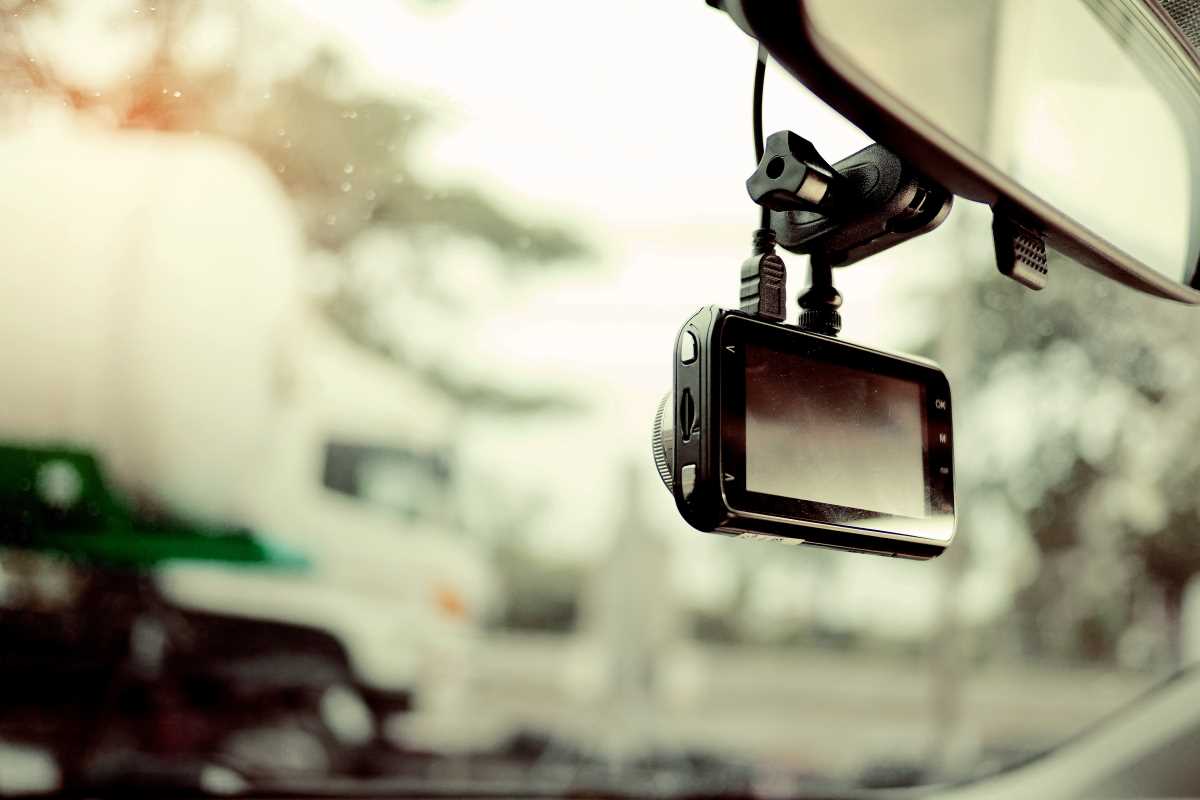
A dash cam is a compact device that attaches to your windshield or dashboard. It continuously records video as you drive, saving the latest footage to a memory card. The recording system rewrites the oldest files first, so you always have fresh video from your recent trips.
Many dash cams come equipped with useful capabilities:
- G-Sensor: Detects sudden stops or collisions, automatically securing that part of the recording to keep it from being erased. This is key for saving the moments surrounding any incident.
- Parking Surveillance: Some models watch your car even when it’s turned off. If the camera senses a bump when you’re away, it records automatically.
- GPS Integration: Certain units include tracking, so your speed and location details are added to the video. This can be important for clarifying what happened.
The real purpose of a dash cam is to provide a reliable record of your drive. Having objective footage puts you in a better position in a wide range of situations.
How Dash Cams Can Impact What You Pay
Most U.S. insurance companies don’t currently offer a lower premium simply for installing a dash cam. The true value lies in having reliable proof in case of a dispute. The footage captured can play a major role in saving you money after an incident.
Showing You Weren’t Responsible for an Accident
One of the top advantages is being able to prove your version of events. After a crash, whose coverage pays out is decided by who is found at fault. Without firm evidence, the outcome might rely on statements from drivers or witnesses, which are not always accurate.
If you are blamed in error, you might face:
- Paying a deductible before repairs
- Increased rates at renewal time
- A negative mark on your record, possibly driving up your costs for several years
Clear video can make all the difference. It can help show, for example, that another motorist ran a red light or made an illegal turn. This protects you from errors in blame, and may help keep your own costs lower.
Standing Up to Untrue Claims
Fraud on the road is an unfortunate reality. Sometimes, someone will stage a crash on purpose, later claiming you caused the damage. There are notorious schemes where a driver quickly brakes or swerves, setting you up for a collision.
With the right footage, you can demonstrate exactly what happened. Being able to counter false accusations helps protect your good standing and could prevent added costs that stem from an unfair claim.
Making the Claims Process Smoother
Reaching a resolution after a collision can be time-consuming. Adjusters review reports, talk to everyone involved, and try to piece together what happened. This can sometimes drag on much longer than you’d like.
Supplying your adjuster with video helps answer questions about how the incident unfolded. This could lead to a decision being reached faster and reduce stress, often resulting in your car being back on the road more quickly.
Are Direct Dash Cam Discounts Offered?
Currently, it’s fairly rare to find discounts in the United States tied solely to owning a dash cam. That said, some businesses that insure fleets may be able to get such perks, and a few companies are testing pilot programs for private motorists.
In some countries, such as the UK, reduced premiums for having dash cams are more widely available. With growing interest and evidence of their benefits, the situation might change here over time.
Check with your provider to learn about current offers. Even without a specific price cut, letting your company know you use a dash cam shows you are safety-conscious and proactive, which can be helpful.
Tips for Picking the Right Camera
When considering a dash cam for your vehicle, you have many options at a wide range of prices. You don’t need a top-end model to get the basic advantages. Instead, focus on these important qualities:
1. Clarity of Footage
Choose a device capable of recording clear, high-definition video. 1080p is a good minimum. Crisp images are crucial for reading plates or traffic signs in the footage. Night vision is also helpful for getting usable video after dark.
2. Front and Rear Recording
You may want to consider models that record both what’s happening in front of and behind your car. Rear coverage is especially useful if someone collides with you from behind, providing a fuller picture.
3. Core Functions That Matter
Look for units that include reliable sensors to lock accident footage and parking features for surveillance while parked. GPS is a bonus if you want to log travel details, but it’s not essential for everyone.
4. Compare and Research
Spend a little time reading user ratings and expert opinions on different brands and models. Quality and ease of use range widely, so learning from others’ experiences can help you find what’s best for you and your budget.
A small investment in this technology can offer significant value. The peace of mind that comes with knowing you’re prepared is difficult to put a price on. While it isn’t guaranteed to lower your insurance payment outright, the indirect savings and hassle reduction can make a dash cam one of the smartest additions to your car. It’s an easy way to make your trips safer, and helps you feel more empowered and protected every time you’re behind the wheel.