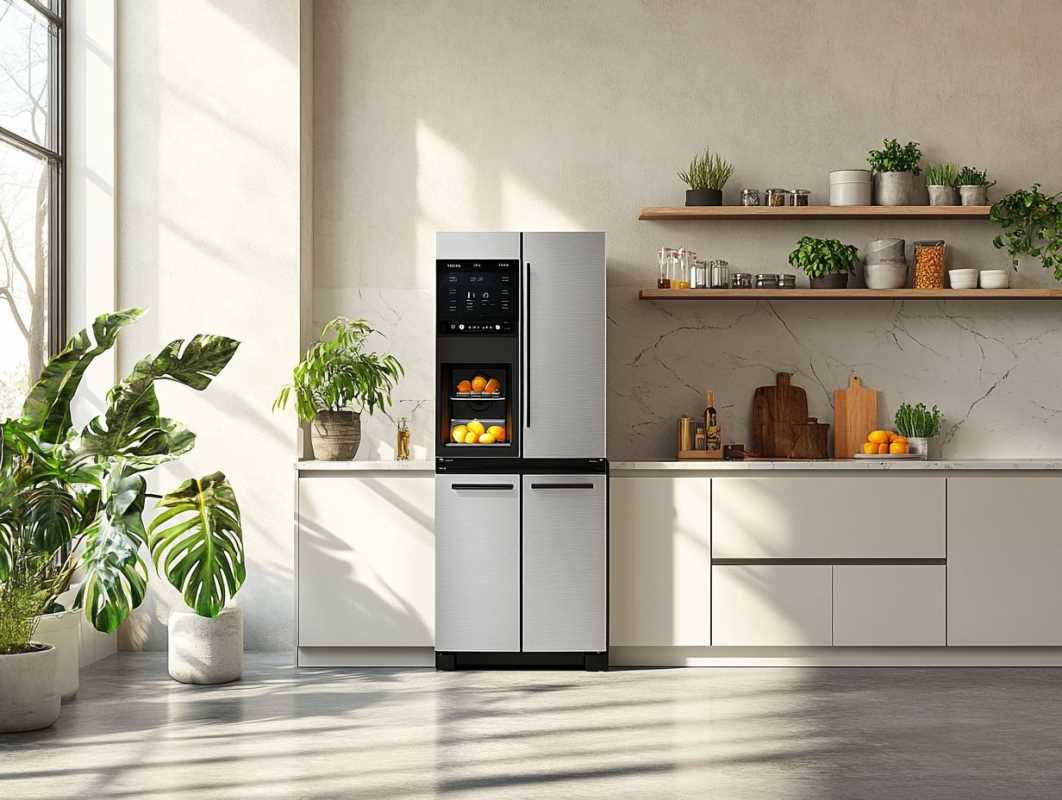
Household devices play a crucial role in your everyday routine, yet they also take up a large share of your monthly utility expenses. Older models of fridges, dishwashers, and washing machines often draw much more power than you’d suspect, gradually raising your bills year after year. Upgrading to energy-saving appliances is one of the most effective steps you can take to limit electricity use and make your budget go further. Though you may pay more up front, these appliances typically reduce ongoing costs, making them a sound long-term investment. This guide explains the value of making a switch, key features to consider, and practical tips for choosing the right options for your needs and financial goals. Let’s explore how small changes at home can deliver big results.
Understanding What Makes an Appliance Efficient
Appliances designed with efficiency in mind deliver the same results as standard models while requiring less energy. They accomplish this through smarter features and construction, such as upgraded insulation in refrigerators or advanced washing machine sensors that use only as much water and power as needed.
Finding efficiency is easiest when you look for trusted symbols. For many, the ENERGY STAR® emblem stands out as a top sign of reliability. Awarded by the U.S. Environmental Protection Agency (EPA), this label means the product meets tough criteria for limiting energy use. Picking appliances marked with this certification helps ensure your new purchase is designed to operate more efficiently than the average model.
Why Efficiency Matters for Your Wallet
Over time, the cost advantage of efficient appliances comes down to ongoing lower utility bills. Any new addition to your home involves two main expenses: what you pay at the register and what you pay to run it. Sometimes the least expensive model can cost you much more over its lifetime because it uses more energy than a slightly pricier, more efficient alternative.
Take, for example, a refrigerator with the ENERGY STAR label. It uses roughly 9% less energy than a unit that only meets minimal federal requirements. In the laundry room, certified washers use about 25% less power and 33% less water per cycle compared to traditional machines. These savings build up every month, helping you keep costs down without giving up convenience.
Which Appliances Offer the Greatest Benefit?
Large home devices, sometimes called "white goods," are responsible for the biggest chunk of energy usage at home. Focusing on these for an upgrade is the fastest way to make a noticeable dent in your bills.
1. Refrigerators
This kitchen essential is always running, making it among the most power-hungry appliances in the home. Models built before 2001 can be especially costly to operate. Switching to a newer unit bearing the ENERGY STAR label can save you upward of $200 during its service life.
Features worth considering:
- Top-Freezer Layouts: Usually use less power than other fridge types.
- Right-Sized Storage: Oversized units use more electricity; try to match the size to your household’s actual needs.
- Certification or Endorsement: Always double-check for trusted third-party efficiency labels.
2. Laundry Machines
Laundry areas are another place you can secure major savings. Some washing machines achieve efficiency by spraying clothes with high-pressure water, limiting the amount used per cycle. They also generally extract more water from your laundry, helping dryers work faster and use less power.
Key points:
- Front-Loading Washers: These models tend to be both water- and power-smart.
- Moisture Sensing Dryers: Dryers that stop automatically when clothes are dry help prevent wasted energy.
- Heat Pump Technology: Ventless dryers that recycle air can reduce power usage by half compared to more traditional models.
3. Modern Dishwashers
Contemporary dishwashers are much more frugal with both water and energy than those sold in the past. Machines with an ENERGY STAR certification can save close to 4,000 gallons of water during their service life, and they’re more efficient at heating water as well. Special soil sensors adjust every cycle for optimal cleaning with minimal waste.
Look for:
- Soil Monitoring Sensors: Allow the dishwasher to tailor its operation for each load.
- Air-Dry Settings: Choosing air-dry over heat-dry can further reduce consumption.
Calculating Lifetime Value
Spending extra at purchase isn’t always a setback if the product returns that investment many times over. You can compare options by considering not just price tags but also estimated ongoing expenses.
Every new appliance displays a yellow EnergyGuide sticker with annual consumption and operating cost estimates, calculated using national electricity averages.
To find the total ownership cost, use this formula:
Purchase Price + (Yearly Operating Estimate x Expected Years of Use) = Total Lifetime Expense
Comparing numbers for efficient and regular options will often reveal that the model using less power pays for itself down the line.
Extra Ways to Boost Your Savings
Your usage and upkeep habits can impact how much energy your appliances draw. Start with a few simple practices:
- Go Cold: Use cold water cycles for washing. Most energy in laundry comes from heating water.
- Wait for Full Loads: Operating dishwashers or washers only when full boosts resource efficiency.
- Stay Clean: For dryers, clean the lint filter regularly; dust fridge coils as part of routine cleaning to keep everything running smoothly.
- Check Available Rebates: Many power providers or local agencies offer incentives for energy-saving upgrades. A quick online search can uncover extra discounts that make a purchase even more budget-friendly.
Bringing home energy-saving appliances is a forward-thinking move for your home and wallet. These upgrades provide lasting rewards by decreasing what you owe each month for utilities. Compare ratings and estimates, look for credible endorsements, and adopt smart maintenance habits to keep costs low. You can help both your bank account and the environment with each careful choice you make at home. Begin by checking your current appliances, then map out your next steps toward a brighter, more cost-effective future.