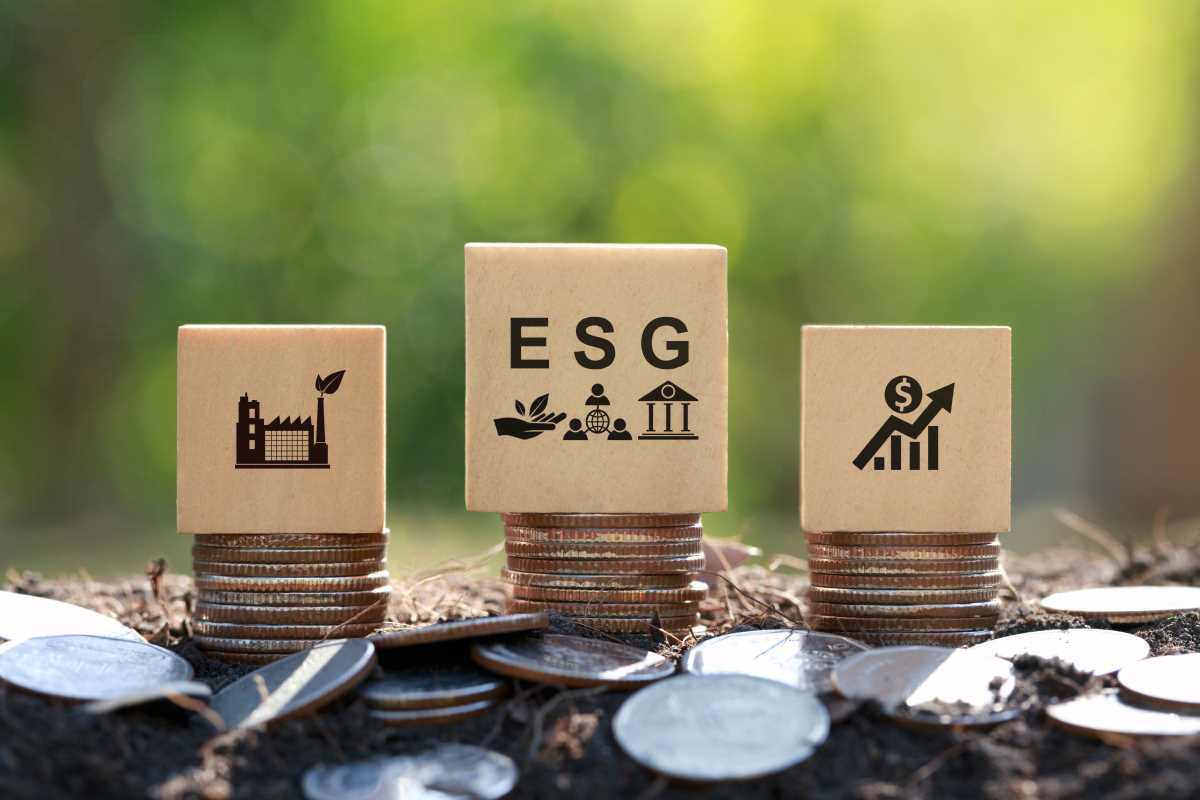
Investment decisions have traditionally revolved around one central question: "Will this earn a profit?" But, a growing number of individuals are now adding another crucial consideration to their financial strategy: "Does this investment reflect my personal beliefs and values?" This evolving viewpoint is fueling a significant interest in sustainable and responsible investing. Instead of relying purely on financial data, this modern approach looks deeper into a company's environmental impact, social responsibilities, and corporate governance (ESG). With this strategy, you can build a portfolio that not only aims to deliver attractive returns but also actively supports positive change in the world. By understanding how responsible investing works, you can feel confident about where your money goes and the meaningful impact it can create.
What Is ESG Investing?
The acronym ESG stands for Environmental, Social, and Governance. These three factors are used to evaluate a company’s overall operations and stability for the future. Rather than focusing only on numbers like income or earnings, this approach considers a wide range of issues that shape long-term performance and reputation. In doing so, it offers a broader understanding of a business’s real strengths and its outlook.
Here’s a closer look at what each area means:
- Environmental (E): This examines a business’s effect on nature, like how it manages emissions, energy usage, waste, and its efforts to use cleaner resources. Top-performing companies actively work to lower their environmental impact.
- Social (S): This covers how a company treats employees, customers, suppliers, and the neighborhood around it. Good practices include fair wages, diversity in the workplace, data privacy, product safety, and giving back to the community. A positive social record often points to a company that values ethics and strong relationships.
- Governance (G): This involves company leadership, oversight, and accountability. It includes subjects like executive pay, rights of shareholders, the experience and variety on the board of directors, and clarity in reporting financial information. Reliable management and strong oversight are signs of a company with sound practices.
An investment is considered aligned with ESG when a company excels in these categories. You can build exposure through individual stocks as well as mutual funds and exchange-traded funds created around responsible practices.
Why Make the Shift to Sustainable Investing?
For many, matching personal priorities with financial choices is extremely important, but the reasons for pursuing ESG strategies go much deeper. This style of investing can boost your returns and add more stability to your holdings. Choosing a path that fits your values could also lead to smarter and more rewarding choices for your money.
1. Stronger Financial Performance
There’s a common myth that investing based on values requires sacrificing profits. New research shows this isn’t accurate. Companies that focus on responsible practices are often run more efficiently and prepared for long-term growth.
- Risk Mitigation: Businesses that actively address environmental, social, and oversight concerns tend to avoid costly fines or damage to their reputation. Their proactive stance often results in a smoother financial journey.
- Efficiency and Creativity: Sustainable practices can drive lower energy and operating costs, sparking innovation that strengthens the business’s competitive position.
- Attracting Skilled People: Many top workers look for organizations that make a positive difference. Companies with responsible values are more likely to draw and retain great employees, which pays off down the line.
2. Lowering Portfolio Risk
Using ESG principles in your decisions can help you spot companies that are better positioned to navigate uncertainty. A portfolio shaped by these ideas may weather market swings more effectively. For example, businesses that lag in adapting to climate challenges could face more setbacks. By screening out such exposures, you can avoid threats that may not show up in traditional analysis.
Investing with a forward-looking mindset helps you manage risk and reduce the chance that events (like environmental disasters, breakdowns in community trust, or leadership scandals) will have an outsize effect on your results. This clearer approach can support steadier, more confident progress toward your goals.
3. Investing in Ways That Reflect Your Beliefs
For individuals, the greatest motivation can be the opportunity to shape the world through their financial activities. Choosing responsible companies or products means you’re supporting businesses committed to finding solutions for the challenges we all face.
This act of “voting” with your capital can be deeply motivating. It changes investment from something passive into something purposeful. Knowing that your accounts are growing and making a difference gives new meaning to the progress you make over time.
How to Get Started with ESG Investing
Switching to a more values-driven strategy is more straightforward than ever. A variety of options exist to tailor your financial plan to what matters most to you. Simple changes can set you on track for both impact and potential financial growth.
- Explore Responsible Investment Funds: The easiest way is to choose funds designed around environmental or social principles. Fund managers do the legwork for you by picking businesses that fit specific guidelines. Look for offerings with “Sustainable,” “Values-Based,” or “Impact” in their names.
- Research Individual Companies: If you’d like a more hands-on approach, do your own homework. Many financial websites provide ratings that score firms on environmental, social, and management practices. These tools help you quickly spot those that meet your priorities.
- Consider Automated Advisors: Many online platforms now offer pre-built portfolios focused on social or environmental themes. These solutions handle the details, letting you set your preferences and then manage your account automatically.
- Review Your Current Accounts: Check what’s already in your employer’s retirement plan or your IRA. Many plans now include responsible investment options, so you can adjust your allocations without starting over from scratch.
Choosing a path centered on thoughtful, responsible investing is transforming what it means to build wealth. It moves the focus away from short-term gains and builds a broader view of what brings genuine value. This mindset sees that companies with respect for their people, communities, and the planet often achieve the most lasting results.
Incorporating these ideas lets you shape your financial future with intention. It’s about making sure your financial choices truly align with your vision and priorities. Responsible investing proves that achieving your goals and supporting progress for others can go hand in hand.