 (Image via
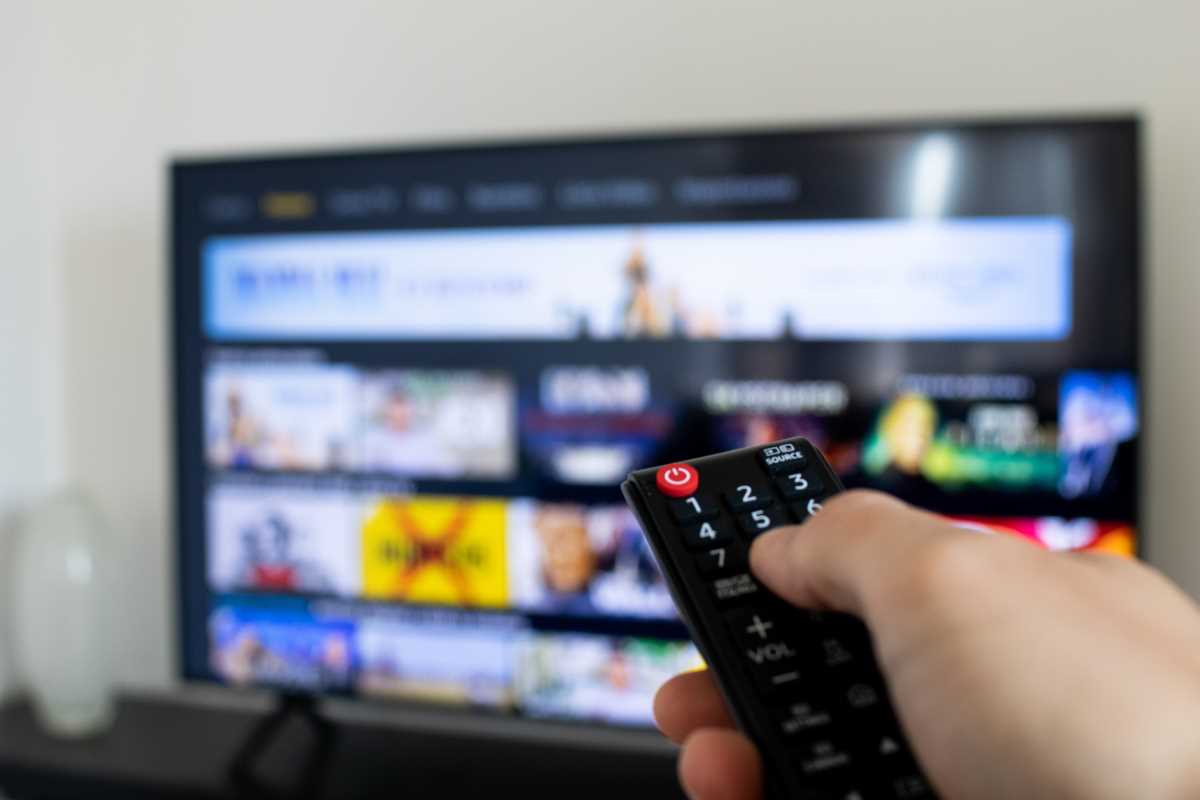
Tired of watching your bill grow for channels you don’t even use? You’re not alone in feeling this way. In recent years, a growing number of households are dropping traditional cable services in favor of streaming platforms, a move often referred to as "cord-cutting." This shift is all about taking back control over both your entertainment costs and viewing options. While it's an change that can save you money and offer greater flexibility, navigating the transition isn't always straightforward. Making the switch comes with its own set of advantages and potential hurdles. This comprehensive guide is designed to lay out both sides of the story, helping you understand the pros and cons so you can feel confident in making the best choice for your household.
Lowering Costs: Pro #1
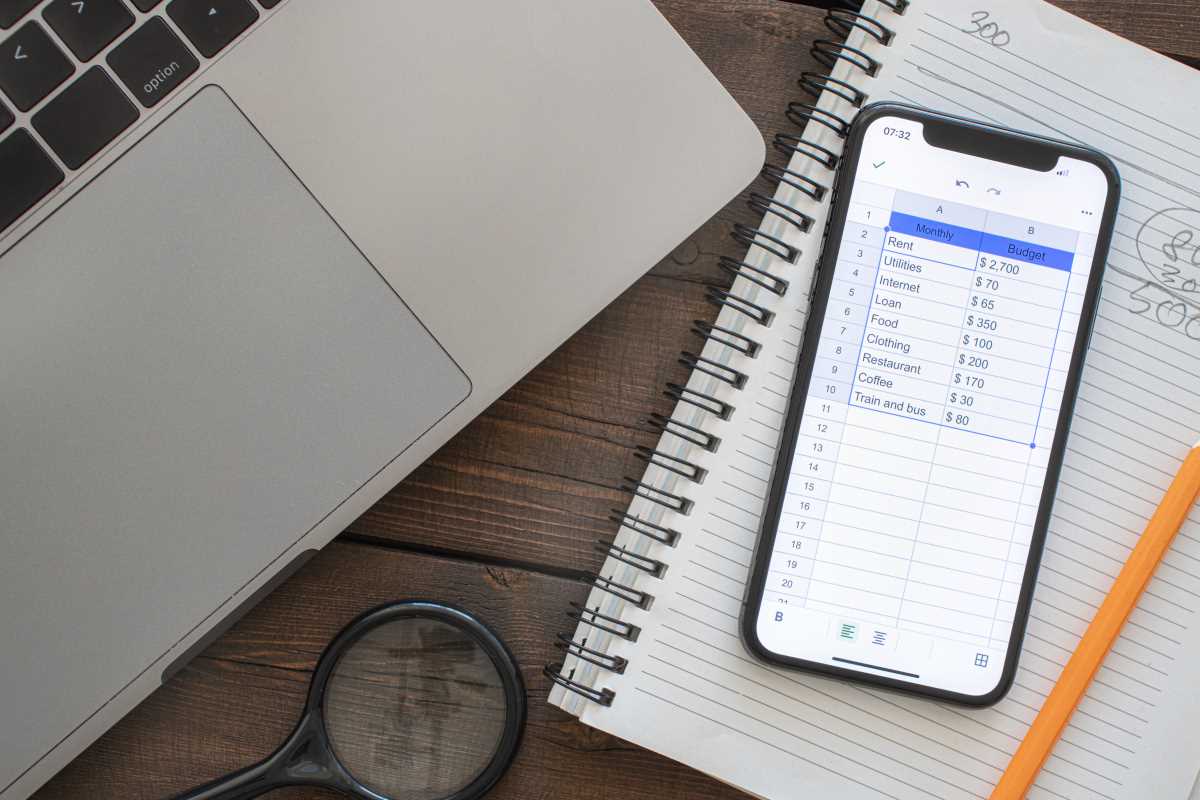
One of the biggest draws is saving money. With regular packages often topping $100 a month (thanks to extra fees for sports, equipment, or local channels) costs can sneak up fast after those promotional rates expire.
Cutting Monthly Expenses
Choosing alternatives means swapping a single large payment for smaller, more flexible ones. Most homes find they can enjoy a great mix of content by subscribing to a few streaming services, often for less than half of what they paid before. For example, pairing Netflix for movies, Hulu for up-to-date shows, and a live TV app still usually comes out cheaper. After a one-time purchase of a streaming device, you’re free from rental fees. All told, these changes can help you put real money back toward other goals.
Predictable, Change-Friendly Plans
Streaming providers make things simple, with clear upfront pricing and few surprises on your bill. Many let you subscribe monthly, no contract required. Cancel, pause, or rejoin as your needs change. Want to watch only one show? You can sign up for a month, then leave until it’s back. Rotating services helps you get the most out of your budget and keeps things interesting—flexibility that’s hard to find with legacy cable providers.
Personalizing Entertainment: Pro #2
Putting your plan together piece-by-piece means you finally get to decide what to watch and when. It’s a change from one-size-fits-all cable bundles to a setup you shape around your preferences.
Build Your Own Lineup
With streaming, you can tailor your subscriptions:
- Movie buffs: Apps like Netflix, Max, or Prime Video have massive libraries of films.
- Fans of current TV: Hulu gives next-day episodes from top broadcasters.
- Sports followers: Live TV services like YouTube TV or Fubo carry all the big games and major networks.
- Special interests: Want British crime series or documentaries? Options like BritBox or CuriosityStream have you covered.
You only pay for what you want, no more paying for endless channels you skip.
Anywhere, Anytime Access
Streaming lets you bring your favorite series and movies to almost any device—TVs, phones, tablets, or laptops. Watch on the go or from any room. Many services offer downloads for offline viewing, which is great for travel or places with spotty reception.
The Challenges: Con #1
While the freedom to customize is great, some drawbacks come with the territory. Managing several subscriptions and finding what you want isn’t always straightforward.
Searching for Content
Licensing agreements change, so a program might be with one provider now but move next season. This can make it tougher to track down favorites without signing up for multiple platforms. If you’re not careful, subscription stacking can erode the savings you hoped to find.
Local and Live Programming
Access to hometown news and sports used to be a hurdle, but live streaming services have improved. Still, not every area gets all the major networks, and sports coverage sometimes depends on your region. A simple HD antenna is a one-time fix for many local stations, but for certain events, it’s important to check what’s actually available before making the jump.
Technology and Learning: Con #2
A few technical factors are worth thinking about before leaving cable behind. The experience you get depends a lot on your internet and your comfort with navigating new systems.
Dependence on a Reliable Internet Connection
Watching shows and movies in high-definition or ultra-high-definition needs strong internet. Lagging service can cause frustrating buffering and interruptions. Experts suggest at least 50 Mbps for a household with regular streaming. Figure in your internet costs when comparing total expenses.
Getting Used to New Tools
Switching services may mean leaving behind the familiar channel guide and remote. You’ll use new devices or apps, and there’s a period of adjustment, especially for those less familiar with tech. Modern streaming players have made things simpler, but there’s still a slight learning curve when you start.
Moving away from traditional pay-TV can help you save money and build an entertainment system suited to your needs. Review what you really watch, compare current and future costs, and consider your internet’s reliability. With a clear approach and a willingness to adjust, you can confidently decide if this is the right move for your home.