 (Image via
Household energy use affects both your budget and the environment. High utility bills can strain your finances, while wasteful energy habits lead to a larger carbon footprint. The good news is that you can make meaningful changes by adopting smarter, more efficient ways to use electricity at home. Simple adjustments, like switching to energy-efficient light bulbs, unplugging unused devices, or upgrading appliances, can lead to significant savings over time. These small steps help reduce your energy consumption, saving you money while lessening your environmental impact. By learning to manage your energy use, you’re taking practical action toward financial security and sustainable living. This guide provides clear, easy-to-follow tips to lower costs and start saving energy with simple, everyday changes.
The Impact of Upgrading to LED Lighting
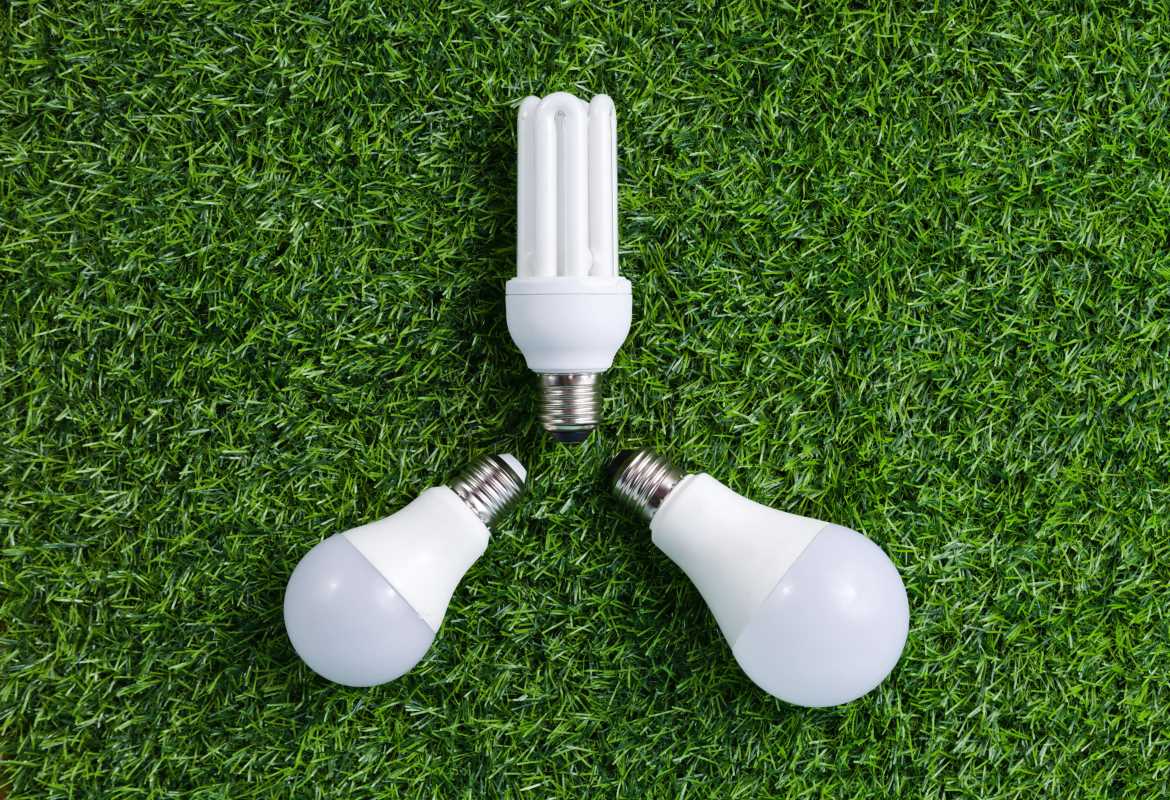
One of the easiest and most effective ways to use less power is to swap out old bulbs. Incandescent lights waste energy, producing more heat than light. Modern options, like Light Emitting Diodes (LEDs), are a far better choice.
Why LEDs Make Financial Sense
Switching to LEDs is a low-effort change that brings steady returns. A simple swap can noticeably trim your monthly expenses.
- Big Reductions in Electricity Use: LEDs consume at least 75% less energy than classic bulbs. This significant drop leads to lower monthly bills. Replacing just the busiest five bulbs in your home with certified LED versions can save you about $75 a year.
- Long-Lasting Performance: LEDs can keep going for up to 25 times longer than older bulbs. Where an incandescent might last just 1,000 hours, an LED can shine for more than 25,000. You’ll spend less on replacements and avoid frequent trips to the store.
- Affordable Choices: LED prices have dropped a great deal in recent years. Even if the initial price is higher, you recover it quickly through ongoing monthly savings.
To see fast results, start by switching bulbs in rooms you spend the most time in, such as the kitchen, living room, or bathroom.
Stop Hidden Power Usage
Many gadgets continue to draw electricity even after you switch them off. This is a phenomenon called standby or "phantom" load. These hidden users quietly increase your total bill.
Find and Manage Devices Using Extra Power
Televisions, laptop chargers, gaming systems, and other electronics often stay on standby for convenience, but that convenience can be costly. Standby consumption can make up around 10% of your home’s total usage.
Tackle this issue with these simple tips:
- Unplug Devices: Unplug laptops, kitchen gadgets, and chargers when you finish using them. Make a habit of disconnecting non-essential electronics instead of leaving them ready at all times.
- Try Smart Power Strips: Plug your entertainment center or office equipment into a power strip. These strips let you cut off power to several devices at once, and advanced models can turn off outlets automatically when items go on standby.
Smarter Appliance Habits
Kitchen and laundry equipment use a large share of household energy. Fine-tuning your habits can have a noticeable impact on your expenses.
Tips for Everyday Savings
Small changes to daily chores can prevent waste and keep expenses in check.
- Keep Your Fridge Efficient: Refrigerators run all day, so they matter. Set fridge temperatures between 35-38°F and freezers at 0°F. Check seals to ensure cold air isn’t escaping. A dollar bill test (see if you can pull the bill out easily) can help you spot when it’s time to replace them.
- Run Full Loads: Only turn on the dishwasher when it’s full, since most energy spent is for heating water. Select the air-dry cycle rather than using forced heat.
- Do Laundry Wisely: Wash clothes in cold water, which is just as effective with modern detergents and uses far less electricity. Clean dryer lint filters after every load to keep airflow strong and drying times short.
Block Air Leaks for Comfort and Savings
Gaps and cracks allow warm or cool air to escape, forcing your furnace or AC to work harder, which leads to higher utility costs. Sealing these leaks is a simple and affordable DIY project.
Track Down and Stop Drafts
Areas around windows, doors, electrical sockets, and plumbing openings are common sources of leaks. You can detect them by inspecting or holding a lit incense stick near suspected spots and watching for drafts that pull the smoke inward.
- Seal with Caulk: Patch up small, non-moving gaps with caulk around window and door frames for a snug fit.
- Install Weatherstripping: Use weatherstripping to seal moving parts on doors or windows. This compressible material keeps out air whenever things are closed.
- Add Door Sweeps: A sweep at the bottom of outside doors can block air slipping in at the threshold.
These inexpensive solutions improve comfort and help curb rising monthly bills.
Pick Energy-Saving Appliances
Upgrading to newer models can pay off if you keep an eye out for the ENERGY STAR symbol, which marks the most efficient products.
The Benefit of Efficient Choices
Products bearing the ENERGY STAR label use less electricity than standard alternatives, saving you money without sacrificing quality. For example, a newer fridge may use much less power than an older one. Spending a little more up front often brings bigger returns over the years through ongoing savings. Look for efficient versions of everything from water heaters to electronics for long-term results.
You don’t need a major renovation or a big budget to make a real difference at home. Switching to efficient lights, unplugging unused devices, optimizing your everyday routines, and blocking air leaks adds up to lower bills and a more comfortable living space. Every change, no matter how small, contributes to a more efficient household and keeps your finances healthy.